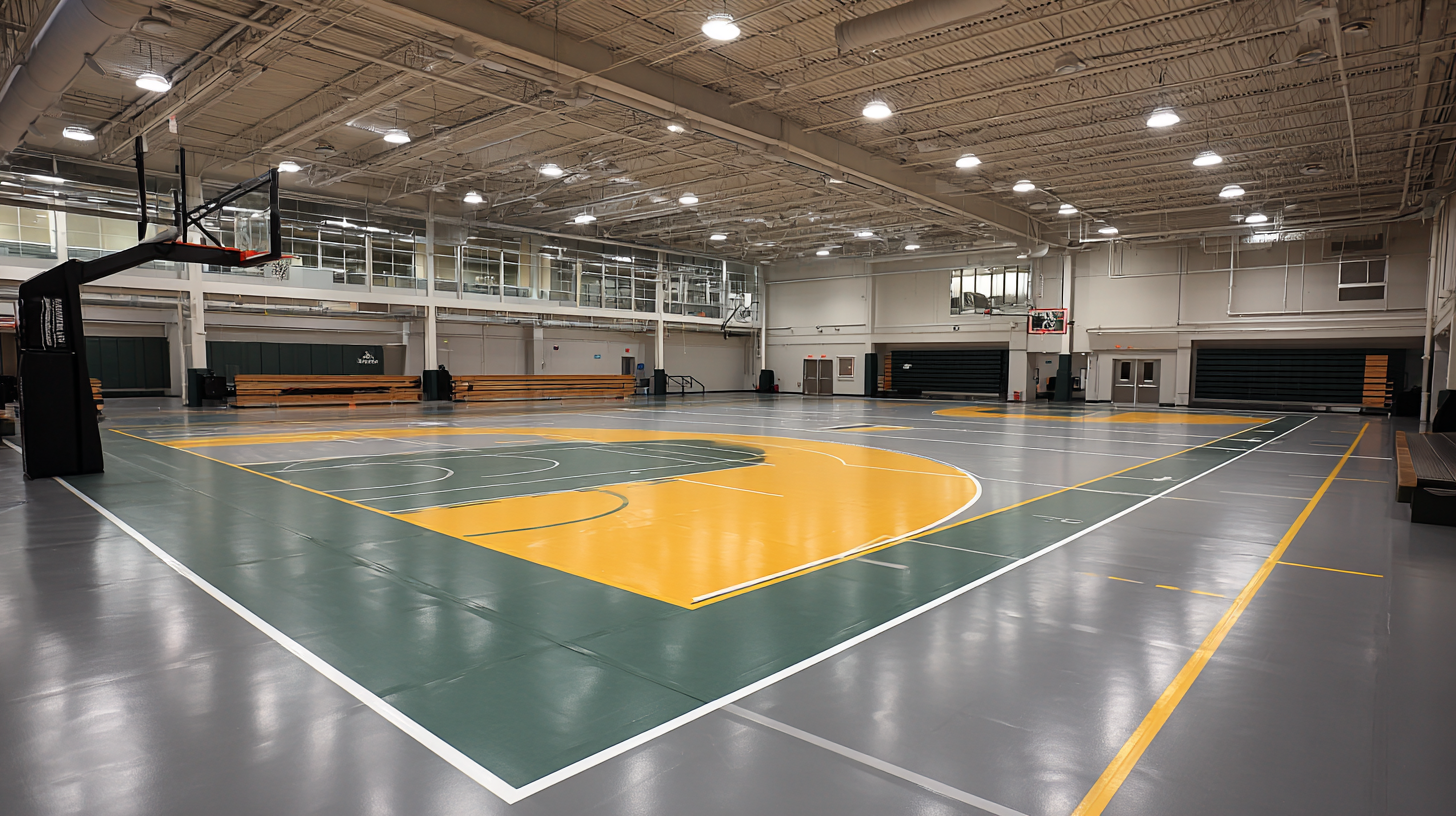
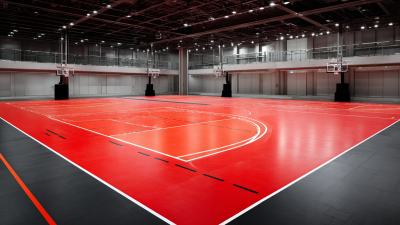
Choosing the right Sports Flooring for your facility is super important when it comes to creating a safe and high-performing space for training. I mean, a report from the Sports and Fitness Industry Association actually shows that demand for quality sports flooring has been rising quite a bit — it's expected to grow by about 5.3% each year until 2026. Whether you're running a sports arena, a training center, or a fitness studio, finding the right flooring that balances looks and function is a must.
At Sanhe Do It The Way Sporting Industrial Co., Ltd., we get how critical this is. We're all about providing innovative flooring options that suit different needs, blending durability with style. Our goal? To boost the overall training experience — making sure safety isn’t compromised while athletes and fitness lovers can perform at their best. We’re passionate about helping you create a space that’s both functional and welcoming.
Understanding Different Types of Sports Flooring Materials and Their Characteristics
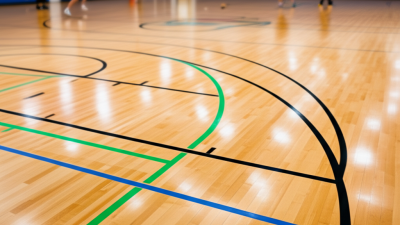
When you're trying to pick out the best sports flooring for your Gym or facility, it's really helpful to understand the different types of materials out there. Each one has its own quirks and benefits, depending on what sports or activities you'll be doing. For example, hardwood floors are super popular for basketball and volleyball courts—they’re known for being tough and look pretty nice too. Actually, a report from the National Association of Sports Flooring says that more than 70% of gymnasiums in North America go for hardwood because it absorbs shocks well and gives athletes good traction.
On the flip side, if you're after something more versatile and easier to take care of, synthetic options like rubber and vinyl are fantastic. Rubber Floors, in particular, are pretty resilient and do a great job at absorbing impacts, which really helps cut down on injury risks during intense workouts. According to the International Sports Flooring Association, rubber surfaces can even cut down athlete fatigue by up to 25% during long sessions, so it can actually boost performance. Basically, your choice of flooring doesn’t just affect safety—it also impacts how well your space functions and how much upkeep it’ll need. So yeah, making the right call here really matters!
Comparison of Different Sports Flooring Materials
Evaluating Impact Resistance and Shock Absorption in Sports Flooring Choices
When you're picking out sports flooring for your facility, it's really important to think about how well it handles impacts and how much shock it can absorb. Impact resistance basically means how tough the flooring is when faced with sudden hits—like, can it take a pounding without getting damaged? Shock absorption, on the other hand, is all about how well the material can soak up energy, helping to lessen the strain on athletes’ joints during those intense moves. These factors aren't just about performance; they’re key for keeping athletes safe, especially in high-impact sports.
Now, different materials come with their own strengths when it comes to impact and shock. For example, rubber flooring is pretty much the go-to for its awesome Shock-absorbing capabilities—perfect for gyms or multi-sport spaces. On the flip side, hardwood floors, which look classic and are popular for basketball courts, tend to be less cushioned, which can mean more impact stress on players. When you're making a choice, think about what sports will be played most often and what the athletes actually need—getting the right flooring means creating a safe, comfy space for everyone involved.
How to Choose the Best Sports Flooring for Your Facility Needs
| Flooring Type | Impact Resistance (1-10) | Shock Absorption (%) | Durability (Years) | Ideal Use |
| Vinyl Flooring | 8 | 25% | 10-15 | Multipurpose Courts |
| Rubber Flooring | 9 | 50% | 15-20 | Gymnasiums, Playgrounds |
| Wood Flooring | 7 | 22% | 20-30 | Basketball, Volleyball |
| Carpet Tiles | 6 | 15% | 5-10 | Fitness Facilities |
| Cork Flooring | 8 | 35% | 10-20 | Dance Studios, Yoga |
Analyzing the Importance of Surface Traction for Athlete Performance and Safety
Choosing the right sports flooring for a facility isn't just about looks or cost — it’s really about safety and how well athletes can perform. One thing that often gets overlooked is surface traction. I mean, think about it: poor grip can lead to slips, falls, and injuries. The NFHS reports that around 70% of sports injuries are linked to bad flooring conditions, which just shows how crucial it is to pick a surface that provides good footing and stability. After all, athletes need to feel secure on their feet, right?
Now, not all sports are the same — they each have their own needs when it comes to traction. For instance, a study in the Journal of Sports Science & Medicine pointed out that basketball floors need to strike a balance: enough grip so players don’t slide around but still enough give for quick pivots and sharp turns. When you're looking at options like hardwood, rubber, or synthetic surfaces, they all offer different levels of grip. So, it’s pretty important for those managing these spaces to really think about what their specific sport demands. Getting the flooring right can actually boost performance — helping athletes react faster, move more explosively, and ultimately, play better. All these tiny details really add up, making a difference in both training and game day.
Considering Maintenance Requirements of Various Sports Flooring Options
When you're choosing the best sports flooring for your facility, one thing you definitely want to keep in mind is how much maintenance it’ll need. After all, it can really make a difference in how long the floor lasts and how well it performs over time. Different materials come with their own set of upkeep requirements, and these can really affect your costs and how much time you spend on maintenance. For example, hardwood floors — which are pretty popular for basketball courts — need regular refinishing and consistent cleaning to keep them looking good and prevent damage. So, they’re really best suited for dedicated sports venues that have the resources to keep them in top shape.
On the flip side, synthetic options like rubber or vinyl tend to be a lot easier to maintain. Usually, they just need routine sweeping and mopping, which makes them a smart choice for multipurpose spaces that see different kinds of activities and lots of foot traffic. Plus, these surfaces are often resistant to moisture and stains, so you don’t have to deep-clean them as often. By weighing the maintenance needs along with how they look and perform, facility managers can make smarter choices that fit their operational needs and budget. It’s all about finding that sweet spot between durability, convenience, and cost-effectiveness.
Assessing Cost-Effectiveness and Longevity of Sports Flooring for Your Facility
When you're trying to pick out the best sports flooring for your facility, keep in mind that both cost and durability are key players in your decision. Honestly, the right flooring isn’t just about saving money upfront—it can really make a difference in how safe and functional your space feels over time. It’s worth taking the time to look into different materials, installation costs, and what’s involved in keeping the floor in good shape long-term. You’ll want something that’s tough enough to handle heavy use but still performs well—things like high-quality vinyl or rubber are usually great options since they’re durable without sacrificing performance.
Oh, and here’s a tip—consider getting flooring with a warranty. It’s a little thing, but it can really give you peace of mind knowing you’re covered if anything goes wrong down the line. Also, don’t just think about the price tag when you’re making a choice—try to do a full life cycle cost analysis. That means looking at the long-term expenses, like maintenance and eventual replacement, instead of just focusing on what you pay upfront.
Another thing to keep in mind is the kind of sports and activities you plan to host. Different sports have their own flooring needs, you know? For example, basketball courts need good traction and some cushioning, while gymnastics require softer, more forgiving surfaces for safety. My advice—chat with coaches and others who use the space regularly. Their insights can help you pick a flooring solution that really fits the performance and safety requirements of everything you’re planning to do.
Identifying Specific Sports and Activities to Determine Flooring Suitability
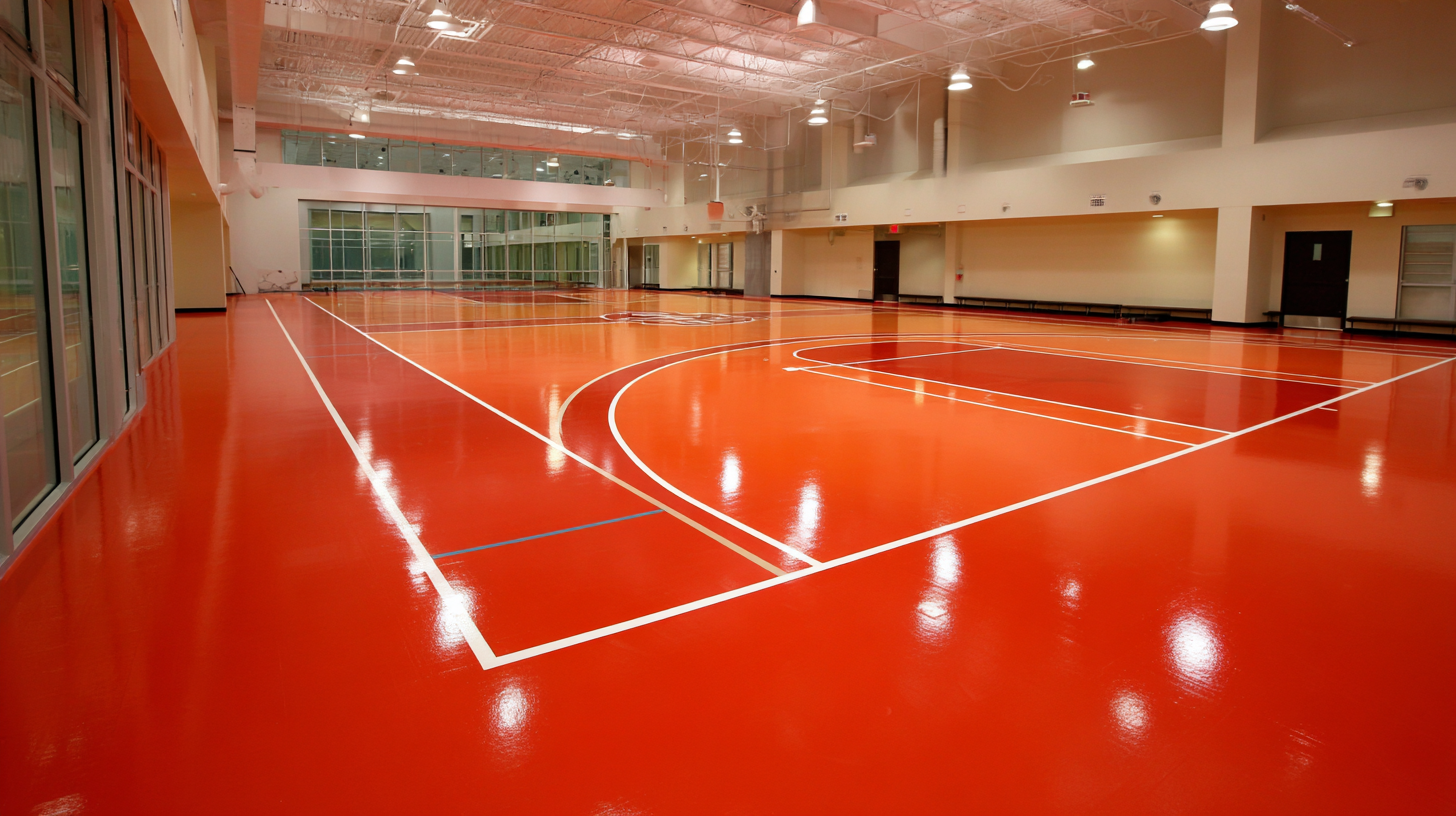
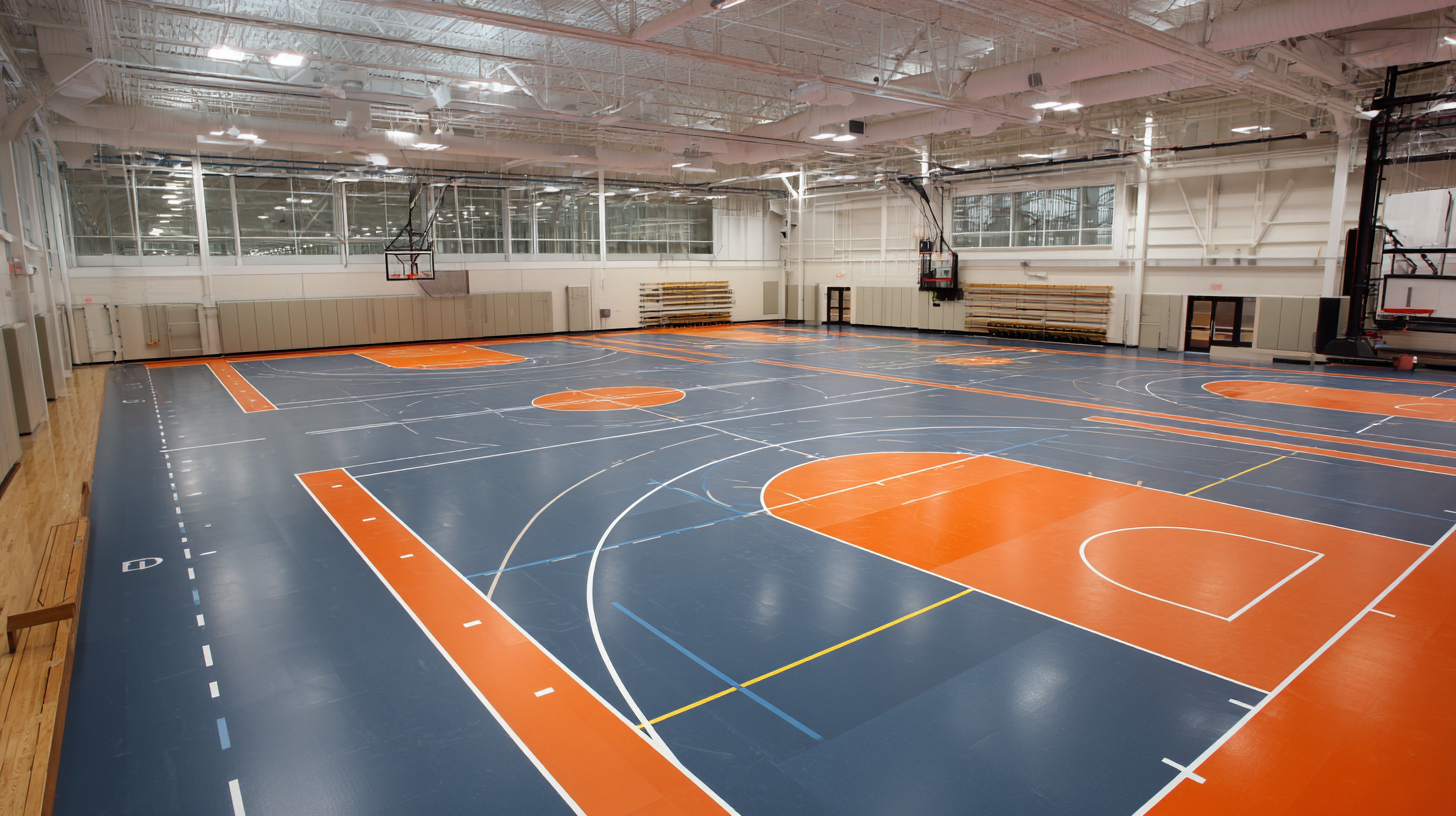
When you're choosing the best sports flooring for your gym or facility, it's pretty important to first figure out what kind of sports and activities you'll be hosting. Different sports have their own needs — like traction, how much they absorb shocks, and how hard the surface should be. For example, a report from the Sports and Fitness Industry Association points out that basketball courts usually work best with hardwood floors because they give great grip and bounce. On the other hand, that same report notes that multi-purpose gyms tend to go with vinyl flooring since it’s versatile and easy enough to take care of.
Thinking about what activities will actually be happening in your space is a big help, too. If you’re running a facility for high-impact sports like gymnastics or martial arts, adding a cushioned or softer surface can really help cut down on injuries. The National Association of Sports and Fitness mentions that flooring with good shock absorption can lower the chances of stress injuries, and that also means athletes can perform better and stay safer. Basically, if you pick your flooring based on the sports you’ll be hosting, it’s going to make everything work better — both functionally and in terms of athlete comfort.
Enhancing Fitness Spaces: Insights from Industry Reports on the Impact of High-Density Rubber Tile Pro Gym Flooring
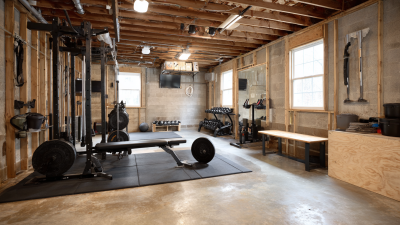
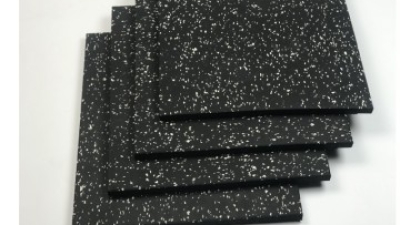
In recent years, the fitness industry has increasingly recognized the importance of flooring solutions in enhancing workout experiences and facility functionality. High-density rubber tile pro gym flooring has emerged as a critical component, providing a robust foundation in strength areas and free weight zones. One standout option is the Base+ style surface, which features a durable 1.8mm SBR roll material, tailored for high-performance fitness environments. This flooring's design prioritizes shock absorption and noise reduction, making it ideal for spaces that experience heavy weights and repeated high-impact activities.
Manufactured using HT&HP technology, the Base+ flooring incorporates a unique combination of foam and sole materials in its bottom layer, delivering exceptional support strength and friction properties. This innovative construction allows gyms to withstand rigorous usage while maintaining safety and comfort for users. The focus on resilience and performance makes high-density rubber tiles an indispensable choice for fitness spaces aiming to optimize both the user experience and the longevity of their investment. As fitness facilities evolve, the right flooring has the potential to significantly impact workout effectiveness and overall member satisfaction.
FAQS
: Impact resistance is crucial because it determines the flooring's ability to withstand sudden forces without sustaining damage, which is essential for both performance and athlete safety.
Shock absorption refers to a material's capacity to dissipate energy, reducing strain on athletes’ joints, which helps enhance athletic performance and minimize injury risks in high-impact sports.
Rubber flooring is well-regarded for its excellent shock-absorbing properties, making it ideal for gyms and multi-purpose areas.
Hardwood floors require regular refinishing and a consistent cleaning regimen to prevent wear and tear, making them suitable for dedicated sports venues that can manage these upkeep needs.
Synthetic options like rubber or vinyl typically require less maintenance, needing only routine sweeping and mopping, which makes them better suited for multi-purpose facilities with various activities and foot traffic.
Different sports have unique requirements regarding traction, shock absorption, and surface hardness, so identifying the specific sports helps in choosing the most suitable flooring for optimal performance and athlete safety.
Hardwood floors are recommended for basketball courts as they provide excellent grip and bounce.
Cushioned surfaces can significantly reduce injury risk by enhancing shock absorption capabilities, which lowers the likelihood of stress-related injuries.
Facility managers should evaluate maintenance demands, aesthetic and performance attributes, as well as the types of sports and activities performed in the facility.
Aligning flooring selection with prevalent sports and activities can optimize both functionality and the overall experience for athletes, contributing to better performance and safety.
Conclusion
Picking out the best sports flooring for your facility isn’t just about picking any shiny surface. It’s really about understanding the different materials out there and what makes each one tick. You’ll wanna think about stuff like impact resistance and shock absorption — because these details can seriously influence how well athletes perform and stay safe. Oh, and don’t forget about surface traction! That’s super important to make sure skidding or slipping isn’t gonna be an accident ready to happen. Another thing to keep in mind is how much upkeep each type of flooring needs; it can really affect how happy you’ll be in the long run. Of course, it’s smart to weigh the costs against how long the flooring will last — making sure you’re getting a good bang for your buck. And, last but definitely not least, think about what specific sports or activities you’ll be doing there — because that’s key to picking something that actually works for what you need.
At Sanhe Do It The Way Sporting Industrial Co., Ltd., we're dedicated to offering innovative, high-performance sports flooring solutions that fit a variety of clients, whether it’s a sports arena or a fitness center. Our products aren’t just about looking good — they’re built with safety and top-notch athletic performance in mind, making them a perfect fit for any training space.